
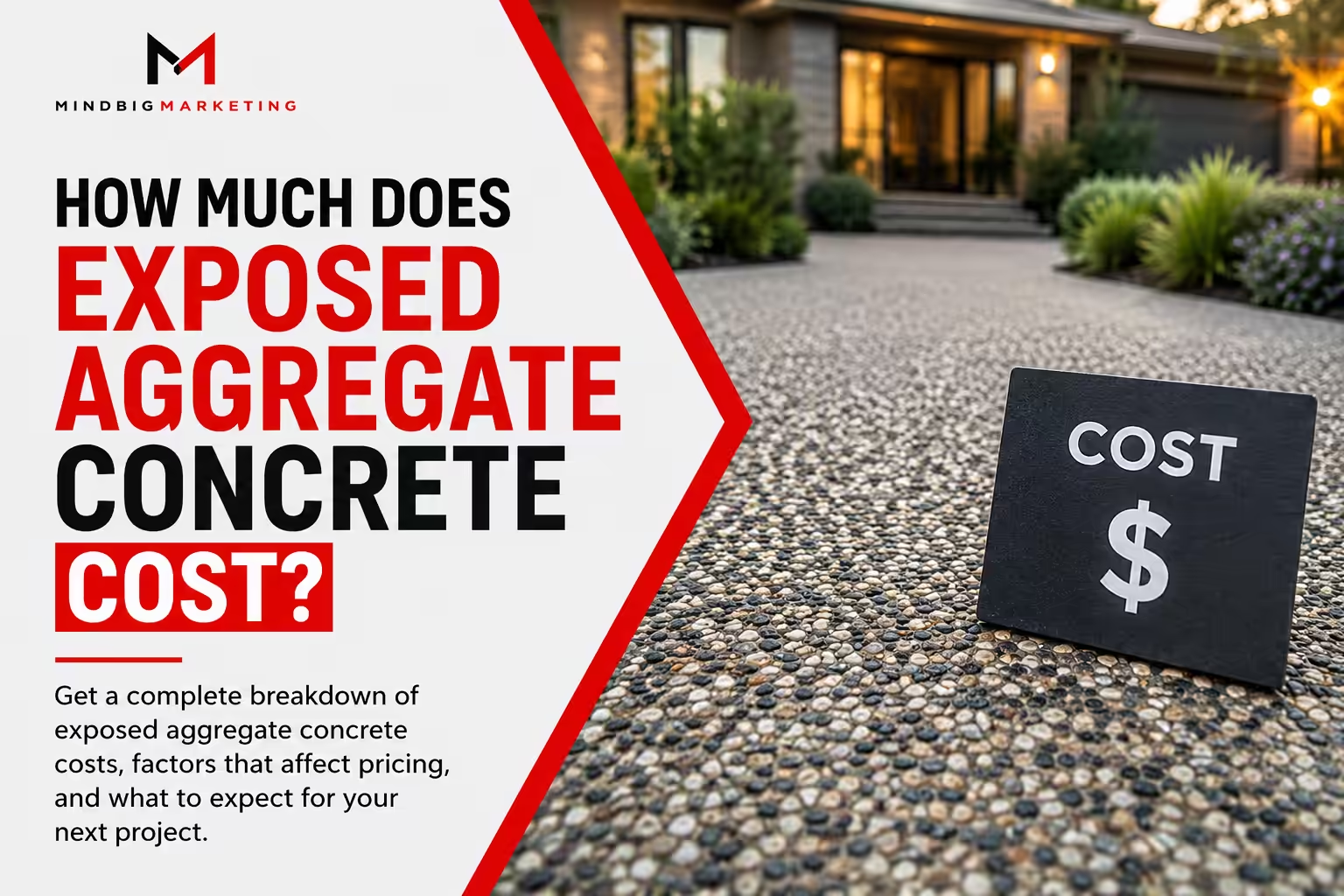
Exposed aggregate concrete typically costs more than plain broom-finished concrete because of the extra labor, materials, and finishing steps involved. In Plano and Dallas, exposed aggregate driveways and patios run higher per square foot than standard concrete, with the exact price depending on aggregate type, color, sealer, and project size. This guide breaks down what drives that cost, how the finish is installed, and how it compares to other concrete options before you sign a contract in 2026.
What Is Exposed Aggregate Concrete?
Exposed aggregate concrete is a decorative concrete finish made by removing the top layer of cement paste to reveal the stones, pebbles, or gravel mixed into the concrete. The result is a textured, slip-resistant surface with visible aggregate, commonly used for driveways, patios, pool decks, and walkways. Unlike a plain concrete finish, the exposed aggregate look comes from the concrete mix itself, not from paint or an applied coating. For a deeper technical breakdown of the mix and process, exposed aggregate concrete guides cover how contractors match aggregate size to the intended finish.
Contractors control the final look through aggregate size and how deep the surface is washed back. Smaller pea gravel gives a fine, uniform texture, while larger river rock creates a bolder, rustic finish.
Why Does Exposed Aggregate Concrete Cost More Than Plain Concrete?
Exposed aggregate concrete costs more than plain concrete because it requires specialty aggregate, a surface retarder, and an extra washing step that plain concrete skips entirely. Plain concrete is poured, floated, and finished in one pass. Exposed aggregate adds a controlled process to expose the stone underneath, which takes more skill and time on site.
In North Texas, timing also affects cost. Hot Plano and Dallas summers speed up curing, so contractors often adjust retarder strength to keep the surface workable long enough to expose the aggregate correctly.
How Is Exposed Aggregate Concrete Installed?
Exposed aggregate concrete is installed by pouring a standard concrete mix with decorative aggregate blended in, then removing the top layer of paste before it fully cures. Professional crews follow a consistent process to get an even, durable finish.
1. Form and pour: The concrete area is formed, and the aggregate concrete mix is poured and leveled.
2. Apply surface retarder: A surface retarder for exposed aggregate concrete is applied to the top layer to slow curing at the surface only.
3. Wash the surface: Once the concrete firms up, crews wash and lightly brush the top layer to expose the aggregate underneath.
4. Cure and seal: After curing, an exposed aggregate concrete sealer is applied to protect the surface and enhance color.
Timing on the washing step matters most. Wash too early and aggregate loosens; wash too late and stones stay buried under a hazy layer of paste.
Exposed Aggregate Concrete Cost Breakdown
Exposed aggregate concrete cost is driven mainly by project size, aggregate type, color selection, and sealing needs. The table below outlines what pushes pricing up or down for driveways and patios in Plano and Dallas.
| Cost Factor | Lower Cost Range | Higher Cost Range |
| Aggregate type | Standard local pea gravel | Imported or specialty stone |
| Project type | Simple patio | Large driveway with curves or slopes |
| Color | Natural gray aggregate colours | Custom black exposed aggregate concrete or tinted mix |
| Sealer | Basic clear sealer | Premium sealer, such as an Eagle exposed aggregate concrete sealer in brown |
| Site prep | Flat, accessible site | Demolition, grading, or drainage work needed |
Repair adds cost on top of installation. Patching a damaged section, such as with an Illinois glacier exposed aggregate concrete patch kit, is usually priced per square foot of damaged area.
Benefits of Exposed Aggregate Concrete
Exposed aggregate concrete offers better slip resistance, more design flexibility, and longer wear life than plain concrete finishes. That combination is why it remains a popular finish for driveways and patios across Texas.
• Slip-resistant texture, useful around pools and sloped driveways
• Wide range of exposed aggregate concrete colors and stone sizes to choose from
• More durable surface than plain broom-finished concrete
• Hides minor surface stains better than smooth concrete
• Works well for both modern exposed aggregate concrete driveways and traditional patios
Homeowners who like exposed aggregate’s durability outdoors sometimes ask about similar finishes indoors. In those cases, micro concrete flooring offers a smoother, seamless option built for interior rooms.
Common Problems and Mistakes With Exposed Aggregate Concrete
The most common mistake is skipping or delaying the sealer, which leaves the surface exposed to stains, weathering, and loose aggregate over time. A few other issues show up repeatedly on rushed jobs.
• Washing the surface too early, causing stones to pop loose
• Using the wrong surface retarder strength for hot weather pours
• Skipping resealing every few years, leading to dull or stained concrete
• Ignoring small cracks early, which then require full-panel repair later
Fixing exposed aggregate concrete after these mistakes is possible, but patch repairs rarely blend perfectly. Getting the original installation right is far cheaper than repairing it later.
Exposed Aggregate Concrete vs Stamped Concrete
Exposed aggregate concrete and stamped concrete both cost more than plain concrete, but they achieve different looks and wear differently over time. Exposed aggregate shows the natural stone mixed into the concrete, while stamped concrete uses molds pressed into wet concrete to mimic brick, slate, or stone patterns. Exposed aggregate tends to hold up better in wet conditions thanks to its natural texture, while stamped concrete can look more decorative but needs more frequent resealing to keep its pattern crisp. For driveways in Plano and Dallas, exposed aggregate’s texture is often the more practical long-term choice.
How to Choose the Right Exposed Aggregate Concrete Contractor
Choose an exposed aggregate concrete contractor by checking recent local project photos, confirming they seal every job, and asking how they handle Texas heat during the pour.
• Ask to see finished exposed aggregate concrete driveway or patio projects nearby
• Confirm which surface retarder and sealer brands they use
• Get a written quote that separates labor, materials, and sealing costs
• Ask how they adjust the pour and wash timing for hot weather
• Confirm the warranty covers cracking and aggregate loosening
Interior Alternative: Microcement Finishes
Microcement is not a substitute for exposed aggregate outdoors, but it works well as a companion finish for kitchens and bathrooms in the same home. A proper microcement installation follows layered steps, and homeowners often reference microcement bathroom ideas or microcement over tile when renovating without demolition. A detailed microcement guide covers the full process before comparing quotes.
Frequently Asked Questions
How much does exposed aggregate concrete cost per square foot?
Exposed aggregate concrete typically costs more per square foot than plain concrete due to the added aggregate, retarder, and finishing labor. The exact rate depends on aggregate type, project size, and sealing choices, so a local written quote is the most accurate way to know your price.
How long does exposed aggregate concrete last?
A properly installed and sealed exposed aggregate concrete driveway or patio can last several decades with routine resealing. Lifespan depends on installation quality, climate exposure, and how consistently the surface is resealed.
Is exposed aggregate concrete slippery when wet?
No, exposed aggregate concrete is generally less slippery than smooth concrete because the exposed stone creates a naturally textured surface, making it a common choice around pools and sloped driveways.
Can you resurface old exposed aggregate concrete instead of replacing it?
Yes, resurfacing is often possible if the underlying slab is structurally sound with only surface-level wear. Deep cracks or shifting slabs usually require full replacement instead.
What is the difference between exposed aggregate and polished concrete?
Exposed aggregate polished concrete grinds the surface smooth to reveal and polish the stone, while standard exposed aggregate keeps a textured, unpolished finish. Polished versions are more common indoors; textured finishes are used outdoors for grip.
Final Thoughts
Exposed aggregate concrete costs more upfront than plain concrete, but its durability, slip resistance, and design options make it a practical long-term choice for Plano and Dallas driveways and patios. Get a written, itemized quote from a local exposed aggregate concrete contractor before starting your project, and confirm sealing is included so your investment holds up through Texas weather for years to come. For homeowners also planning interior updates, Microscement is a useful resource for pairing durable outdoor concrete work with seamless indoor surfaces.