
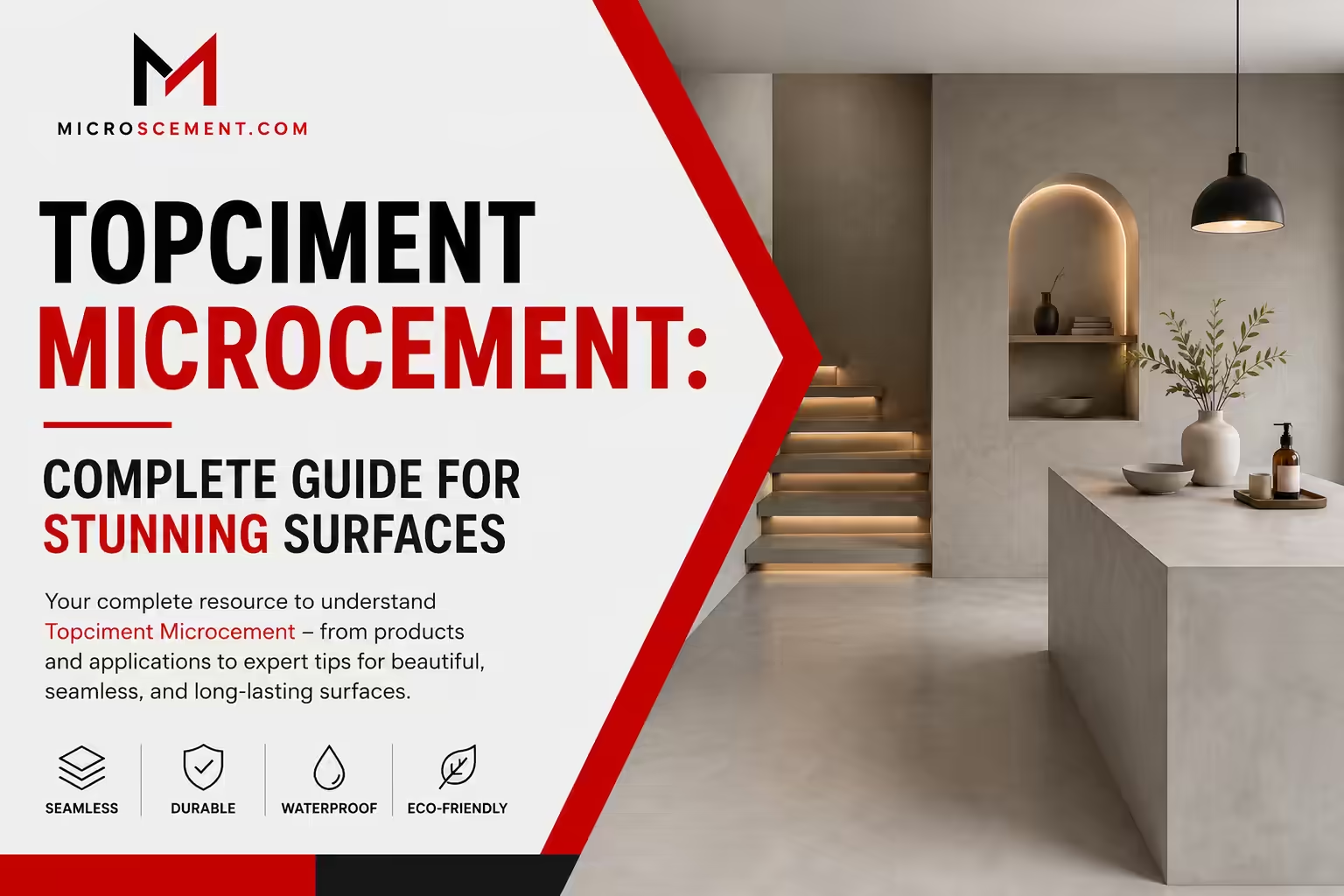
Topciment microcement is a thin, cement-based decorative coating that creates seamless, durable surfaces on floors, walls, and countertops without demolition. Homeowners and contractors in Plano and Dallas are choosing Topciment microcement in 2026 to modernize kitchens, bathrooms, and living spaces without ripping out existing tile. This guide covers what Topciment microcement products are made of, where they can be used, how installation works, and what affects overall cost.
What Is Topciment Microcement?
Topciment microcement is a decorative coating made from cement, polymers, mineral pigments, and fine quartz aggregate that bonds directly to most existing surfaces. Unlike traditional concrete, it applies in thin layers of just a few millimeters, so it does not add bulky thickness to floors, walls, or countertops. A full breakdown of what is microcement explains the material composition in more depth, including how the resin-based topcoat protects the finished surface.
This low-thickness coating system is what makes Topciment microcement different from standard tile or poured concrete. It creates a continuous surface with no grout lines, which gives rooms a cleaner, more modern look.
How Does Topciment Microcement Work?
Topciment microcement works by applying multiple thin layers directly over an existing surface, each one bonding to the last to build a seamless, durable finish. The full system includes a primer, base coats, a decorative finish layer, and a protective sealer.
1. Primer application: Prepares the existing surface for strong adhesion.
2. Base coat layers: Two to three thin coats build the core structure.
3. Decorative finish: A final layer adds texture, color, and character.
4. Sealing: A protective varnish or sealer locks in waterproofing and durability.
A step-by-step Topciment microcement installation guide walks through each layer in detail, including drying times between coats, which typically matter most for Plano and Dallas renovation timelines.
Where Can Topciment Microcement Be Used?
Topciment microcement can be used on floors, walls, countertops, and even furniture, in both residential and commercial spaces. It works well indoors and, with the right sealing system, outdoors as well.
• Bathroom walls and shower enclosures for a seamless, waterproof finish
• Kitchen countertops and backsplashes for a modern, joint-free surface
• Living room and hallway floors as an alternative to tile or hardwood
• Commercial spaces like retail stores and offices needing durable, high-traffic flooring
For floor applications specifically, micro-concrete flooring holds up well under daily foot traffic in both homes and commercial buildings across the Dallas area.
Bathrooms are one of the most popular applications. These microcement bathroom ideas show how the coating creates a continuous, waterproof surface across floors, walls, and shower niches without visible seams.
Benefits of Topciment Microcement
Topciment microcement offers a seamless look, strong durability, and a faster renovation timeline compared to removing and replacing tile. These advantages explain why more Plano and Dallas homeowners are choosing it over traditional resurfacing methods.
• No demolition required, since it applies directly over most existing surfaces
• Seamless finish with no grout lines to collect dirt or mildew
• Waterproof protection when properly sealed, ideal for bathrooms and kitchens
• Wide range of colors and textures for custom design
• Long-lasting surface that resists everyday wear when maintained correctly
For homeowners wanting a raw, textured look, Topciment’s exposed aggregate concrete finish is another option worth comparing against the smoother standard microcement surface.
Common Problems or Mistakes
The most common mistake with Topciment microcement is skipping proper surface preparation, which leads to cracking or poor adhesion over time. Most issues trace back to installation shortcuts rather than the material itself.
• Applying microcement over an unstable or damaged base surface
• Skipping the primer coat to save time on the project
• Using an unsealed or poorly sealed finish in wet areas like showers
• Hiring an installer without microcement-specific experience
Applying microcement directly over old tile is possible but requires a specific process to prevent cracking along grout lines. This microcement over tile guide outlines the correct surface prep steps needed before applying any coating over existing tile.
Cost or Pricing Factors
Topciment microcement pricing depends mainly on surface area, existing surface condition, and the number of coating layers applied. The table below outlines the main factors that affect the final project cost.
| Factor | Lower Cost Range | Higher Cost Range |
| Surface condition | Smooth, stable existing surface | Damaged or uneven surface needing repair |
| Application area | Single wall or countertop | Full floor or multi-room project |
| Finish complexity | Standard smooth finish | Custom color blends or textured finish |
| Sealing requirements | Interior, low-moisture areas | Wet areas or outdoor waterproofing |
Homeowners in Plano and Dallas should request a site evaluation before budgeting, since surface prep needs vary significantly between an older home and new construction.
How to Choose the Right Topciment Microcement Solution
Choose aTopciment application solution by matching the product system to the room’s moisture level, traffic, and desired finish. A bathroom needs a different sealing system than a living room floor, even though both use the same base material.
• Confirm the installer has verified experience with Topciment application systems
• Same the sealer type to the room’s moisture exposure
• Ask to see finished sample panels in your preferred color and texture
• Get a written surface prep plan before work begins
For most residential projects in Plano and Dallas, a mid-range finish with a full waterproof sealing system offers the best balance of durability and design flexibility.
Frequently Asked Questions
Is Topciment Microcement waterproof?
Yes, Topciment microcement becomes waterproof once a proper sealer or protective varnish is applied over the finish layer. Without sealing, the surface can absorb moisture, so professional sealing is essential for bathrooms, showers, and kitchens.
Can Topciment Microcement be applied over tiles?
Yes, Topciment microcement can be applied directly over most existing tile, avoiding costly demolition. The tile surface needs proper cleaning, priming, and sometimes light sanding first to ensure strong adhesion and prevent cracking along grout lines.
Does Topciment finishes crack?
Topciment finishes can crack if applied over an unstable surface or without proper primer and layering technique. Correct installation over a stable base, following the full coating system, prevents most cracking issues seen with poorly installed microcement.
How thick is Topciment Microcement?
Topciment microcement typically applies at just a few millimeters thick, far thinner than tile or poured concrete. This low-thickness coating system allows it to go over existing floors and walls without raising door clearances or adding significant weight.
How do you clean Topciment Microcement?
Clean Topciment products with a soft mop or cloth and a pH-neutral cleaner, avoiding abrasive scrubbers or harsh chemicals. Routine cleaning and periodic resealing keep the surface looking new and protect the waterproof finish over time.
Final Thoughts
Topciment microcement gives Plano and Dallas homeowners a seamless, durable, and modern surface finish without the cost and mess of full demolition. From bathroom walls to full commercial flooring, the right product system and installation process make the difference between a finish that lasts and one that fails early. Contact a certified microcement installer to evaluate your space and start planning your renovation.