
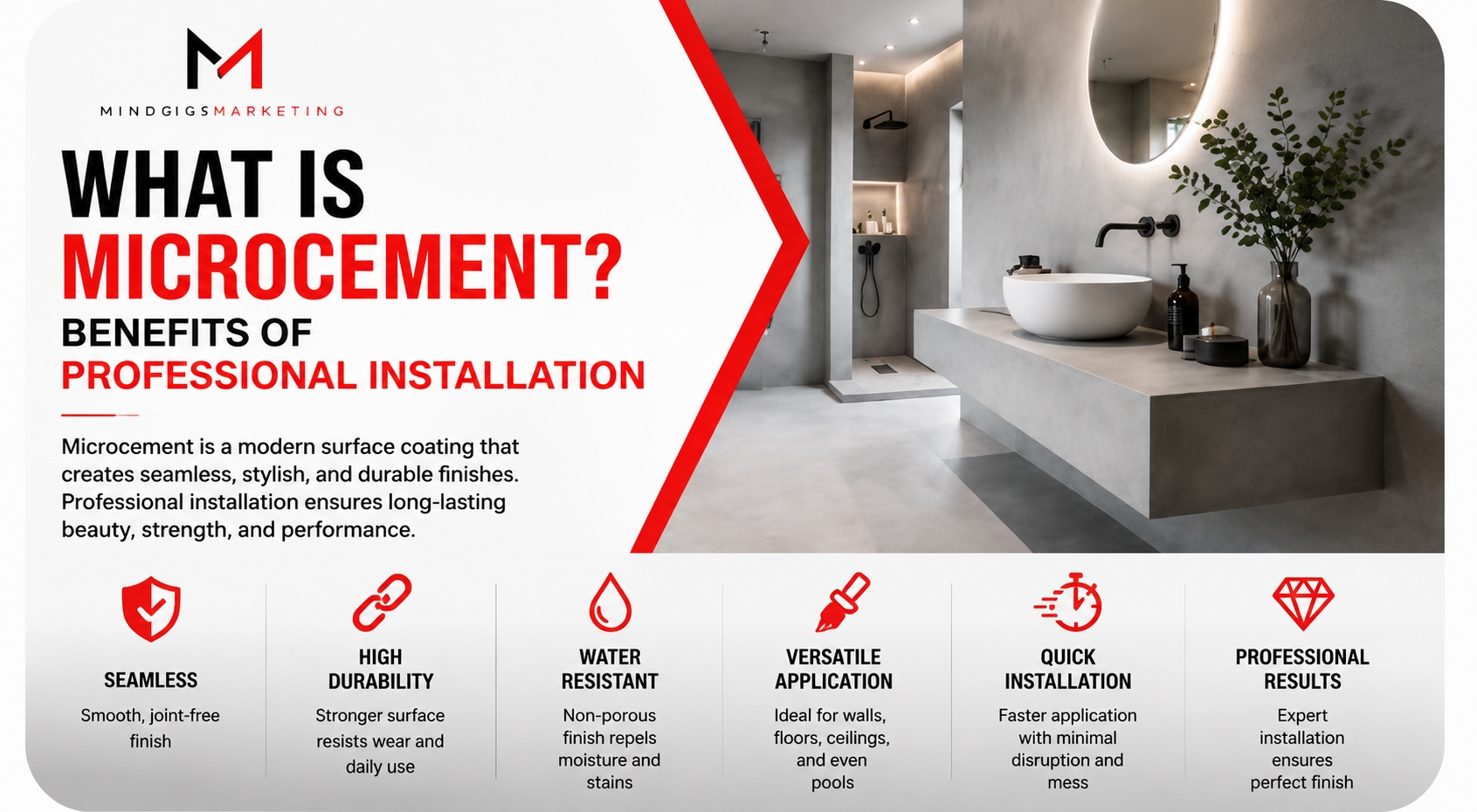
Modern homeowners are moving away from traditional flooring and wall materials that create visible joints, require frequent maintenance, or limit design flexibility. Microcement has become a popular solution for creating seamless, stylish, and durable interiors with a smooth concrete-inspired appearance. However, achieving a high-quality finish requires proper materials, preparation, and professional application techniques.

At Microscement, we help homeowners transform outdated spaces into modern interiors using advanced surface solutions designed for durability, beauty, and long-term performance. Whether you are planning a bathroom upgrade, kitchen renovation, or complete interior transformation, understanding how microcement works can help you make the right decision for your property.

For homeowners looking for a seamless and modern surface solution, professional microcement solutions provide the expertise required to achieve a durable and visually appealing finish.

What Is Microcement and How Does It Work?

Microcement is a thin-layer decorative coating made from a combination of cement, polymers, resins, and mineral pigments. It is applied directly over different surfaces to create a seamless architectural finish without the need for traditional tiles, grout lines, or heavy construction work.

Unlike conventional concrete, microcement is not a structural material. Instead, it is a decorative surface system designed to provide a durable and attractive finish over floors, walls, countertops, stairs, and other interior surfaces.

A professional microcement finish usually consists of several layers, including a bonding primer, multiple coats of microcement coating, and a protective sealant layer. Each layer plays an important role in creating a waterproof, stain-resistant, and long-lasting surface.

The result is a smooth, modern surface that combines the appearance of polished concrete with the flexibility needed for residential and commercial interiors.

Why Microcement Is Becoming Popular in Modern Interior Design

The demand for modern microcement interiors has increased because homeowners want spaces that feel open, luxurious, and easy to maintain. Traditional materials often create visual breaks through grout lines, while microcement creates a continuous surface that enhances minimalist and contemporary home design.

This material works especially well for homeowners who prefer industrial style interiors, Scandinavian minimalist design, Mediterranean interior design, or luxury home improvement projects.

  • Seamless appearance: Microcement creates uninterrupted surfaces that make rooms appear larger and cleaner.
  • Flexible design options: Available in different microcement colors, textures, and finishes to match various styles.
  • Water-resistant performance: Properly installed waterproof microcement works well in moisture-prone areas.
  • Low maintenance: Smooth surfaces are easier to clean compared with traditional tiled areas.
  • Versatile application: Suitable for floors, walls, bathrooms, kitchens, and commercial spaces.

Where Can Microcement Be Used?

One of the biggest advantages of microcement is its versatility. It can be applied to many surfaces, making it a practical choice for renovation projects where homeowners want a premium appearance without removing existing materials.

Microcement Flooring for Modern Homes

Microcement flooring is one of the most popular applications because it creates a seamless floor finish that combines style with durability. Unlike traditional flooring options such as tiles or hardwood, microcement does not require visible joints, allowing designers to create clean open-plan living spaces.

Many homeowners choose microcement floors for living rooms, hallways, bedrooms, and commercial environments because they provide a concrete look flooring solution with a refined finish.

When professionally installed, microcement flooring offers excellent durability, making it suitable for areas with regular foot traffic. However, the final performance depends heavily on correct surface preparation and installation methods.

Microcement Walls and Decorative Wall Finishes

Microcement walls are becoming a popular alternative to traditional paint, wallpaper, and tiles. The material creates unique decorative wall finishes with handcrafted surface texture and modern architectural appeal.

Interior designers often use microcement walls to create feature walls, fireplace surrounds, shower areas, and luxury commercial spaces. The ability to customize textures and colors allows homeowners to achieve completely personalized interiors.

Microcement Bathroom Applications

A microcement bathroom design provides a modern alternative to conventional tiled bathrooms. Because the material creates fewer joints, it can help achieve a cleaner and more spacious appearance.

Waterproof microcement systems include protective sealants that help defend the surface against moisture. This makes it suitable for bathroom floors, shower walls, vanity areas, and other wet zones when installed correctly.

However, bathrooms require precise installation because poor waterproofing, incorrect preparation, or improper sealing can lead to surface problems over time.

Microcement Kitchen Designs

A microcement kitchen combines functionality with contemporary style. Homeowners can use this material for floors, walls, backsplashes, and even kitchen countertops to create a cohesive design.

For luxury kitchen renovation projects, microcement provides a smooth, modern surface that complements wood, stone, metal, and other high-end interior materials.

How Microcement Application Creates a Premium Finish

The quality of a microcement surface depends on much more than simply spreading material over an existing area. Professional microcement application requires experience, accurate preparation, and attention to detail. A correctly installed system creates a seamless architectural finish that improves both the appearance and performance of a space.

A typical professional installation process includes:

  • Surface inspection: Checking the existing substrate for cracks, movement, moisture issues, or uneven areas.
  • Surface preparation: Cleaning, repairing, and preparing the base to ensure proper adhesion.
  • Primer application: Creating a strong connection between the existing surface and microcement layers.
  • Multiple coating layers: Applying thin layers carefully to achieve the desired texture and appearance.
  • Sanding and finishing: Refining the surface for a smooth and consistent look.
  • Protective sealing: Adding a sealant layer for moisture resistance, durability, and easier maintenance.

For homeowners considering a complete transformation, professional microcement installation provides better results than basic surface coating methods because specialists understand how different materials react during the process.

Understanding correct preparation and construction techniques is important for achieving reliable results. Educational resources from Purdue University Extension resources provide research-based information related to building practices, materials, and maintenance approaches.

Microcement vs Traditional Flooring Materials

Many homeowners compare microcement with tiles, natural stone, and polished concrete before choosing a renovation solution. Each material has advantages, but microcement offers unique benefits for modern interior projects.

  • Compared with tiles: Microcement eliminates grout lines and creates a more continuous appearance.
  • Compared with polished concrete: Microcement requires less thickness and can be installed over existing surfaces.
  • Compared with natural stone: Microcement offers a similar luxury appearance with more customization options.

Many professionals refer to technical standards when working with cement-based materials and surface systems. Organizations such as the American Concrete Institute resources provide industry guidance related to concrete materials and construction practices.

The choice depends on your design goals, budget, and performance expectations. Professional advice can help determine whether microcement is the right solution for your specific renovation project.

Key Benefits of Using Microcement in Modern Homes

Choosing the right surface material is an important decision during any renovation project. Homeowners are not only looking for attractive designs but also materials that provide long-term value, easy maintenance, and reliable performance. Microcement offers a combination of aesthetic flexibility and practical benefits that make it suitable for modern residential and commercial spaces.

1. Creates a Seamless Flooring Solution

One of the biggest advantages of microcement is its seamless appearance. Traditional flooring materials such as ceramic tiles often require grout lines that can collect dirt, discolor over time, and interrupt the visual flow of a room.

A professionally installed microcement flooring system creates a continuous surface without visible joints. This makes rooms appear larger, cleaner, and more connected, especially in open-plan living spaces where consistent design is important.

The seamless finish also provides greater design flexibility because the same material can flow from one area to another, including living rooms, hallways, kitchens, and bathrooms.

2. Provides a Luxury Concrete-Inspired Appearance

Many homeowners love the appearance of polished concrete but do not want the complexity, thickness, or limitations associated with traditional concrete surfaces. Microcement provides a similar smooth concrete effect finish while offering more customization options.

With different microcement colors, textures, and application techniques, professionals can create surfaces ranging from soft minimalist finishes to bold industrial-style interiors.

This makes microcement a popular choice for homeowners who want high-end interior materials without sacrificing practicality.

3. Excellent Design Flexibility for Different Spaces

Every home has different design requirements. Some homeowners prefer warm and natural interiors, while others want modern architectural finishes with a minimalist appearance. Microcement can be customized to match different styles.

Popular applications include:

  • Modern bathroom renovation projects
  • Luxury kitchen renovation designs
  • Living room feature walls
  • Commercial reception areas
  • Retail and hospitality interiors
  • Outdoor covered spaces

Because of its versatility, microcement works well with wood, glass, metal, stone, and other contemporary materials.

4. Durable Surface Coating for Long-Term Performance

A major concern among homeowners is whether decorative finishes can withstand daily use. Professional microcement systems are designed as a durable surface coating that can handle normal residential activity when properly installed and maintained.

The final durability depends on several factors, including:

  • The quality of the microcement material
  • Correct surface preparation
  • Professional installation techniques
  • Proper sealing and maintenance
  • The amount of daily traffic

When installed correctly, microcement provides a scratch-resistant surface, stain-resistant flooring option, and long-lasting finish suitable for many interior applications.

Is Microcement Waterproof and Suitable for Wet Areas?

A common question homeowners ask is whether microcement can be used in bathrooms, showers, and kitchens. The answer depends on the installation system. Standard microcement alone is not naturally waterproof, but a professionally applied waterproof microcement system includes protective layers designed to resist moisture.

The sealing process creates a moisture-resistant finish that helps protect the surface from water exposure. This makes it suitable for:

  • Bathroom floors
  • Shower walls
  • Kitchen backsplashes
  • Vanity surfaces
  • Laundry rooms

However, wet areas require expert installation because waterproof performance depends on correct preparation, product selection, and proper sealing. A poorly installed system may experience problems such as peeling, cracking, or moisture penetration.

Microcement Texture and Color Options

One reason microcement has become popular in contemporary home design is the ability to create custom surface textures. Unlike factory-produced materials with limited patterns, microcement is applied by hand, allowing installers to create unique finishes.

  • Smooth polished finishes
  • Natural stone-inspired textures
  • Subtle handcrafted effects
  • Industrial concrete appearances
  • Matte minimalist surfaces

Microcement colors range from neutral tones such as white, beige, and gray to darker shades that create dramatic luxury interiors. The final appearance depends on the chosen pigment, application method, and finishing technique.

Microcement Renovation: Transform Existing Surfaces Without Major Demolition

One of the reasons homeowners choose microcement renovation is that it can often be applied over existing surfaces instead of completely removing old materials. This makes it an attractive option for homeowners who want to update outdated interiors while reducing unnecessary demolition work.

For example, outdated tiles, concrete surfaces, and some properly prepared substrates may become a base for a new microcement finish. This approach can help create a faster renovation process while achieving a modern and seamless appearance.

However, this does not mean every surface is suitable. Before installation, professionals must inspect the existing material to identify:

  • Cracks or movement
  • Loose tiles
  • Uneven surfaces
  • Moisture problems
  • Structural issues

Ignoring these problems can cause failures after installation. A beautiful finish requires a strong foundation underneath.

Why Professional Microcement Installation Matters

Although microcement may look simple, the application process requires specialized knowledge and experience. Many homeowners underestimate the skill required to achieve a consistent, durable finish.

Professional microcement installers understand how to control thickness, texture, drying time, and sealing requirements. They also know how different substrates behave during renovation projects.

At Microscement, our approach focuses on proper planning, detailed preparation, and professional installation methods to ensure every surface delivers both visual appeal and long-term performance.

Common Mistakes Homeowners Make When Choosing Microcement

  • Choosing based only on appearance: A beautiful finish requires correct technical installation.
  • Ignoring surface preparation: Existing problems can affect the final result.
  • Using inexperienced installers: Poor application can lead to cracks, uneven textures, and premature damage.
  • Selecting unsuitable products: Different areas require different coating systems.
  • Skipping professional sealing: The protective layer is essential for durability and maintenance.

Microcement is an excellent investment when installed correctly. Working with experienced professionals helps protect your renovation budget and ensures your finished space achieves the look and performance you expect.

Can You Install Microcement Yourself? Understanding DIY Methods

Many homeowners discover microcement through renovation videos and design inspiration platforms, which can make the installation process appear simple. Since the material is applied in thin layers, some people consider attempting a DIY microcement project to reduce renovation costs.

While basic DIY projects may work for small decorative applications, professional microcement installation requires technical knowledge, specialized tools, and experience with surface preparation. The quality of the final finish depends heavily on every step of the process.

A typical DIY approach usually includes:

  • Cleaning and preparing the existing surface
  • Applying a primer for adhesion
  • Mixing microcement materials according to manufacturer instructions
  • Applying multiple thin coats using a trowel
  • Sanding between layers
  • Adding a protective sealant

For homeowners with professional construction experience, patience, and proper equipment, small decorative projects may seem achievable. However, larger areas such as floors, bathrooms, kitchens, and commercial spaces require a much higher level of precision.

Why DIY Microcement Projects Often Fail

Although DIY installation may appear like a cost-saving option, mistakes during the process can create expensive problems. Microcement is a highly technical surface system where small errors can affect the appearance, durability, and lifespan of the finished surface.

1. Poor Surface Preparation Causes Future Damage

The foundation of any successful microcement project is proper surface preparation. The existing surface must be stable, clean, dry, and free from movement.

Many DIY installations fail because homeowners apply microcement over surfaces with hidden issues such as cracks, moisture problems, loose tiles, or uneven areas.

Over time, these problems can transfer through the coating and cause:

  • Visible cracks
  • Peeling surfaces
  • Uneven textures
  • Weak adhesion
  • Premature deterioration

2. Incorrect Application Creates Uneven Finishes

A professional microcement finish is created through controlled application techniques. The installer must maintain consistent pressure, thickness, and movement patterns while applying each layer.

Inexperienced installers often struggle with:

  • Uneven coating thickness
  • Visible application marks
  • Inconsistent textures
  • Color variations
  • Rough surface areas

Because microcement has a handcrafted appearance, small imperfections may become highly visible once the surface is complete.

3. Incorrect Sealing Reduces Durability

The final protective sealant layer is one of the most important parts of the entire installation process. It protects the surface from moisture, stains, chemicals, and daily wear.

A poor sealing application can result in:

  • Water absorption
  • Surface staining
  • Reduced lifespan
  • Difficult maintenance

This is especially important for areas like a microcement bathroom or kitchen where surfaces regularly experience moisture and cleaning products.

Risks of Using Incorrect Chemical Products on Microcement Surfaces

Microcement requires careful product selection because harsh chemicals can damage the protective layers. Many homeowners assume that stronger cleaning products provide better results, but aggressive chemicals can weaken the surface over time.

Potentially harmful products may include:

  • Strong acidic cleaners
  • Abrasive powders
  • Bleach-based chemicals
  • Industrial-strength degreasers
  • Harsh solvents

These products can affect the protective sealant layer and reduce the performance of the coating system.

According to EPA Safer Choice guidance, choosing appropriate cleaning solutions helps reduce exposure to potentially harmful chemicals and supports safer maintenance practices.

For long-term results, homeowners should use manufacturer-approved cleaning products and follow professional maintenance recommendations.

When Do You Need Professional Microcement Contractors?

Professional installation becomes especially important when the project involves large areas, moisture exposure, or high-value interior spaces. Experienced microcement contractors can evaluate your property, recommend the correct system, and complete the installation with better accuracy.

Signs You Need Professional Microcement Installation

  • You are renovating a bathroom or shower area: Waterproofing and sealing require precise techniques.
  • Your existing surface has cracks: Structural preparation must be completed before coating.
  • You want a premium finish: Professional tools and experience create better textures and consistency.
  • You are covering large areas: Larger surfaces require controlled application methods.
  • You need long-term durability: Correct installation protects your investment.

Why Professional Installation Creates Better Long-Term Results

Microcement is not simply a decorative paint or basic surface coating. It is a multi-layer coating system that requires technical understanding of materials, preparation, and finishing.

Professional installers understand how to:

  • Select the correct microcement system for each surface
  • Prepare different substrates properly
  • Create consistent textures and finishes
  • Apply protective coatings correctly
  • Prevent common installation failures

This professional approach helps homeowners achieve the seamless architectural finish they expect while avoiding expensive repairs caused by incorrect installation.

How Microscement Approaches Microcement Projects

Choosing the right team for your microcement project is just as important as selecting the material itself. While microcement offers exceptional design possibilities, the final result depends heavily on professional knowledge, installation experience, and attention to detail.

At Microscement, we understand that every renovation project has unique requirements. Our approach focuses on creating seamless, durable, and visually appealing surfaces that match modern interior design goals while maintaining long-term performance.

From initial consultation to final finishing, we focus on delivering a professional installation process that avoids common problems associated with poor preparation or incorrect application.

Professional Surface Assessment Before Installation

Every successful microcement project begins with understanding the existing surface. Before applying any coating, our team evaluates the condition of the substrate to identify potential issues that could affect the final finish.

This assessment helps determine:

  • Whether the existing surface is suitable for microcement application
  • If repairs or reinforcement are required
  • The correct preparation method
  • The ideal microcement system for the project
  • The best finish style for your design goals

Proper evaluation prevents future problems and helps ensure your new surface performs as expected.

High-Quality Materials and Professional Installation Methods

A premium microcement finish requires more than just applying material to a surface. Professional installation involves selecting suitable products, controlling application thickness, creating consistent textures, and applying protective layers correctly.

Microscement follows professional installation methods to achieve:

  • Consistent surface texture
  • Strong adhesion
  • Reliable moisture resistance
  • Durable protective finishes
  • Modern architectural appearance

Our goal is to create surfaces that are not only visually attractive but also practical for everyday living.

Customized Microcement Designs for Every Space

Every homeowner has different preferences when it comes to interior style. Some prefer minimal and clean designs, while others want bold textures and unique finishes.

Microscement provides customized solutions for:

  • Microcement flooring
  • Microcement walls
  • Bathroom renovations
  • Kitchen transformations
  • Commercial interiors
  • Luxury home improvement projects

With a wide selection of microcement colors and textures, we help create surfaces that complement your existing architecture and design vision.

How Much Does Microcement Cost? Complete Pricing Guide

One of the most common questions homeowners ask before starting a renovation project is about microcement cost. The price can vary depending on the size of the project, the condition of the existing surface, the type of finish selected, and the complexity of installation.

Unlike standard flooring materials that are priced only by material quantity, microcement projects require professional preparation, multiple coating layers, finishing techniques, and protective sealing. These factors influence the overall investment.

Average Microcement Price Per Square Meter

The average microcement price per square meter depends on several factors, including the quality of the system, labor requirements, and project location. Professional installations generally cost more than basic flooring solutions because the process requires skilled application and attention to detail.

Factors that influence the final price include:

  • Surface preparation: Damaged or uneven surfaces require additional repair work.
  • Project size: Larger areas may have different pricing structures compared with small installations.
  • Finish selection: Custom textures, colors, and premium finishes can affect the cost.
  • Location: Labor costs vary depending on the region and accessibility of the project.
  • Application area: Bathrooms and wet areas require additional waterproofing considerations.

A professional assessment is the best way to determine accurate pricing because every property has different requirements.

Understanding Microcement Flooring Cost

Microcement flooring cost is influenced by both material quality and installation complexity. Flooring requires precise preparation because the surface must handle daily foot traffic, furniture weight, and regular cleaning.

A properly installed floor system usually includes:

  • Substrate inspection and preparation
  • Base reinforcement where required
  • Multiple microcement layers
  • Sanding and refinement
  • Protective sealant application

Attempting to reduce costs by skipping preparation or using inexperienced installers often leads to problems that require expensive repairs later.

How Durable Is Microcement Flooring?

A major reason homeowners choose microcement is its durability. When installed correctly and maintained properly, microcement surfaces can provide years of reliable performance.

The durability of a microcement system depends on:

  • Quality of installation
  • Correct surface preparation
  • Proper sealing
  • Maintenance routine
  • Level of daily usage

Professional installation creates a strong surface that can resist everyday challenges, including foot traffic, moisture exposure, and regular cleaning.

Microcement Maintenance: How to Protect Your Investment

One of the biggest advantages of microcement is that it is considered a low maintenance flooring option. Its seamless design reduces areas where dirt and moisture can collect, making routine cleaning easier.

Recommended Microcement Maintenance Practices

  • Use soft microfiber cleaning tools.
  • Clean spills quickly to prevent staining.
  • Use pH-neutral cleaning products.
  • Avoid abrasive brushes and harsh chemicals.
  • Follow professional recommendations for resealing when required.

Proper maintenance helps preserve the original microcement texture, color, and protective coating while extending the lifespan of the surface.

Microcement vs Polished Concrete: Which Is Better?

Many homeowners compare microcement vs polished concrete because both materials provide a modern concrete-inspired appearance. While they may look similar, they have important differences.

FeatureMicrocementPolished Concrete
ThicknessThin-layer application suitable for renovationsRequires thicker structural concrete
InstallationCan often be applied over existing surfacesUsually requires existing concrete substrate
Design OptionsWide range of colors and texturesMore limited appearance options
Renovation FlexibilityHighly suitable for remodeling projectsMore suitable for new construction
Application AreasFloors, walls, bathrooms, kitchensMainly concrete floors

Both materials can create beautiful interiors, but microcement is often preferred for renovation projects because of its flexibility and ability to transform existing spaces.

Can Microcement Be Applied Over Tiles?

Many homeowners ask, “Can microcement be applied over tiles?” In many cases, the answer is yes, but only when the existing surface is properly evaluated and prepared.

A professional installer must check:

  • Whether tiles are firmly attached
  • Whether there are cracks or movement
  • Whether the surface can support the coating system
  • Whether additional preparation is required

Applying microcement over unsuitable tiles without proper preparation can cause adhesion problems and surface failures.

Why Choosing Experienced Microcement Installers Matters

The final appearance of microcement depends greatly on the skill of the installer. Unlike factory-made materials, microcement is a handcrafted finish where experience directly affects the result.

Professional microcement installers understand:

  • How to create consistent textures
  • How to avoid visible imperfections
  • How to select suitable products for different environments
  • How to achieve proper waterproofing
  • How to complete professional finishing techniques

A trusted installation team protects your renovation investment by focusing on both appearance and performance.

Microcement Applications for Residential and Commercial Spaces

Microcement is not limited to residential renovations. Its durability and modern appearance make it suitable for various commercial interior applications.

  • Restaurants and cafes
  • Hotels and hospitality spaces
  • Retail stores
  • Office interiors
  • Showrooms

For residential projects, microcement can improve bathrooms, kitchens, living spaces, and complete home renovations by creating a cohesive and contemporary design.

Frequently Asked Questions About Microcement

What is microcement and how does it work?

Microcement is a thin cement-based decorative coating made with polymers, resins, and mineral pigments. It is applied in multiple layers over prepared surfaces to create a seamless finish. The system provides a modern concrete appearance while offering flexibility for floors, walls, bathrooms, kitchens, and commercial spaces.

How much does microcement cost per square meter?

The cost of microcement depends on project size, surface condition, finish selection, location, and installation complexity. Professional installation usually includes preparation, multiple coating layers, sanding, and sealing. A site evaluation is recommended to provide accurate pricing based on your specific renovation requirements.

Is microcement good for bathroom floors and wet areas?

Yes, microcement can be an excellent option for bathrooms when installed with a proper waterproof microcement system. Professional application includes suitable preparation and protective sealing to improve moisture resistance. Correct installation is essential because poor waterproofing can affect durability and surface performance.

How durable is microcement flooring?

Microcement flooring is highly durable when installed correctly and maintained properly. Its performance depends on surface preparation, material quality, installation techniques, and protective sealing. A professionally installed system can withstand daily residential use while maintaining its smooth appearance and modern finish for many years.

Can microcement be applied over existing tiles?

Microcement can often be applied over tiles if the existing surface is stable, properly prepared, and suitable for the coating system. Professionals inspect tile adhesion, cracks, and surface conditions before installation. Applying microcement without proper preparation can cause cracking, peeling, or reduced durability.

How do you clean and maintain microcement surfaces?

Microcement surfaces require simple maintenance compared with many traditional materials. Regular cleaning with gentle, pH-neutral products helps protect the finish. Avoid abrasive cleaners and harsh chemicals because they may damage the protective sealant layer and reduce the surface lifespan.

Why should I hire professional microcement installers?

Professional microcement installers have the experience required to prepare surfaces, apply coatings evenly, create consistent textures, and complete proper sealing. Since microcement is a handcrafted finish, professional skills directly affect the final appearance, durability, and long-term performance of your renovation project.

Transform Your Space With Professional Microcement Solutions

Choosing the right finish can completely change how a home or commercial space looks and feels. Microcement provides a modern, seamless, and highly customizable surface solution for homeowners who want a balance between luxury design, durability, and practical maintenance.

However, achieving a premium result requires more than selecting the material. Proper preparation, professional application techniques, and expert finishing determine whether your surface will perform beautifully for years or develop problems shortly after installation.

At Microscement, we help homeowners create modern interiors with professionally installed microcement surfaces designed around their lifestyle, design preferences, and renovation goals. Whether you need seamless flooring, decorative wall finishes, a contemporary bathroom upgrade, or a complete interior transformation, our team focuses on quality results from preparation to final sealing.

If you are planning a renovation and want a surface that combines beauty with performance, contact Microscement to discuss your project and explore our microcement services for your space.