
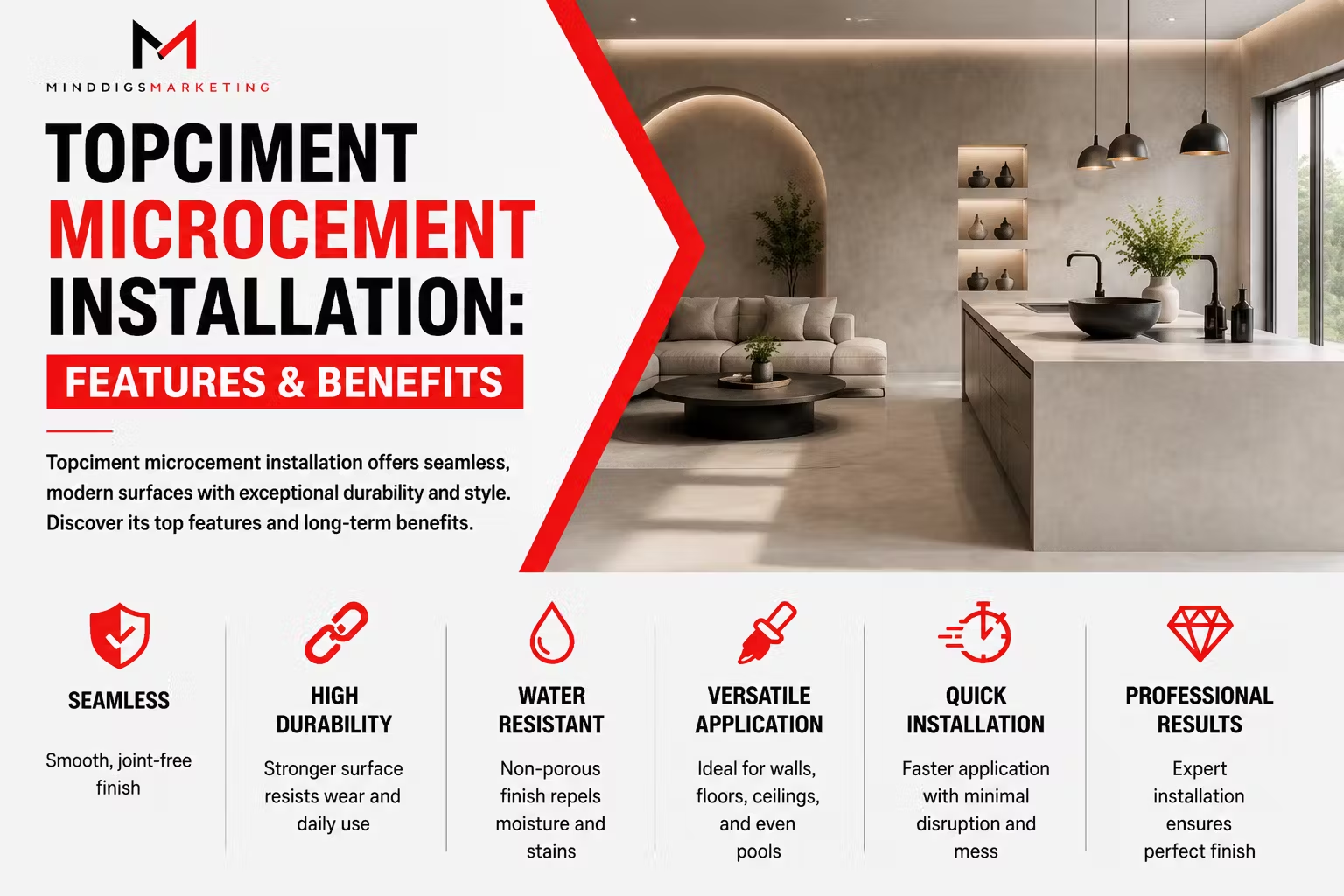
What Is Topciment Microcement?
Topciment microcement is a cement-based decorative coating made from mineral binders, resins, and fine aggregates, applied in thin layers of 2 to 3 millimeters. It bonds directly to tiles, concrete, plasterboard, and most stable substrates, so it goes over existing surfaces instead of requiring demolition. For background on the underlying material and category, see this overview of microcement basics.
The result is a continuous, seamless wall finish or floor with no grout lines and no visible joints. Each surface is hand-troweled, which gives every Topciment installation a slightly unique texture and tonal depth. Topciment products cover several system types, including two-component microcement (cement plus resin), one-component microcement (cement plus water), a ready-to-use line, and a naturally waterproof polyurethane-based system built for pools and wet areas. You can also browse a broader microcement resource library for general cost, design, and installation comparisons across brands.
Why Does Microcement Matter for Modern Interiors?
Microcement matters because it solves two common renovation problems: mess and joints. Ripping out old tiles creates dust, waste, and added cost. Grout lines, on the other hand, trap dirt and moisture over time. A Topciment microcement system addresses both by coating directly over the existing surface with a continuous, easy-to-clean finish.
This is why decorative microcement has become a signature material in minimalist home design, industrial-style interiors, and contemporary architectural finishes. Interior designers use Topciment finishes for walls and floors together to create one uninterrupted visual line through open-plan homes, hotels, and retail spaces across the USA and beyond.
How Does Topciment Microcement Installation Work?
Topciment microcement application follows a fixed layering process, and skipping steps is the leading cause of problems. A trained applicator typically completes a standard room in three to five days:
- Surface preparation. The installer cleans, levels, and repairs the substrate. Cracks and unstable areas are fixed first, since the final finish only performs as well as the surface underneath.
- Priming. A Topciment primer creates a bonding layer so the microcement grips the substrate. Wet areas also receive a waterproofing membrane at this stage.
- Base coat. Two coats of microcement base, often reinforced with fiberglass mesh, build strength and crack resistance.
- Finishing coat. Two finer microcement layers create the final texture, color, and character. This is where the hand-applied look comes through.
- Sanding. Each layer is sanded between coats to improve adhesion and refine the surface.
- Sealing. A polyurethane or resin coating locks in the finish, making the surface stain-resistant, easier to clean, and water-resistant.
Sealing is what turns a standard microcement surface into a genuinely waterproof microcement suitable for showers. Rushing or skipping this step is the most common Topciment installation mistake.
Where Can You Use Topciment Microcement?
Topciment microcement works on almost any stable indoor surface, and some outdoor ones too.
- Topciment flooring. A seamless, low-maintenance flooring solution for living rooms, hallways, and open-plan layouts, compatible with underfloor heating.
- Topciment bathroom microcement. Waterproof and grout-free, ideal for walk-in showers and full bathroom renovation projects.
- Topciment kitchen microcement. Used on floors, backsplashes, and countertops for a durable, stain-resistant kitchen remodeling finish.
- Topciment walls. A premium wall coating that replaces tile or paint with soft texture and depth.
- Commercial spaces. Retail stores, restaurants, and offices choose microcement flooring for durability under heavy foot traffic.
Benefits of Topciment Microcement
- Seamless finish. No grout lines, no visible joints, true architectural continuity.
- Renovation without demolition. Applies directly over existing tile or concrete, cutting project time and waste.
- Durability. A sealed surface resists impact, scratches, and daily wear in both homes and commercial flooring settings.
- Waterproof performance. With the correct membrane and sealer, Topciment waterproof microcement handles wet rooms and pools.
- Design freedom. Topciment microcement colors range across neutrals, earth tones, and custom shades, in matte, satin, or gloss finishes.
- Light weight. At 2 to 3 mm thick, it adds virtually no structural load, making it safe for upper floors.
Common Problems and Mistakes to Avoid
Most microcement failures trace back to installation errors, not the material itself.
- Applying over an unstable base. If the substrate moves or cracks, the coating cracks with it.
- Skipping waterproofing in wet areas. A membrane and sealer system is required for showers, not optional.
- Using mismatched products. Combining a Topciment microcement system with unrelated primers or sealers can compromise adhesion and warranty coverage.
- Inexperienced applicators. This is a hand-troweled, skilled trade. A Topciment microcement kit exists for smaller DIY jobs, but consistent large-scale results require trained installers.
Homeowner discussions on forums such as r/HomeImprovement on Reddit and Quora threads on microcement repeat a consistent theme: outcomes depend heavily on installer experience, not just the product brand.
Topciment Price and Cost Per Square Meter
Topciment cost per square meter depends on three main factors: project size, substrate condition, and finish complexity. Larger jobs generally lower the per-meter rate, while wet-area waterproofing and custom color work add cost. Walls and countertops are typically priced higher than open floor areas because of the detail involved.
| Cost Factor | Impact on Price |
| Total surface area | Larger areas lower the per-meter rate |
| Substrate condition | Poor substrates need extra prep, raising cost |
| Wet-area waterproofing | Adds membrane and sealer labor |
| Finish and color complexity | Custom tones and textures cost more |
| Installer experience | Certified applicators often charge more, but reduce failure risk |
Topciment products for professionals typically arrive with matched primer, base, finish, and sealer components, which keeps the system cost predictable compared to sourcing separate materials from different brands.
Topciment vs Traditional Tiles and Polished Concrete
| Feature | Topciment Microcement | Traditional Tile | Polished Concrete |
| Joints | None | Grout lines throughout | Expansion joints required |
| Thickness | 2–3 mm coating | 8–15 mm plus adhesive | 50–100 mm slab |
| Installation | Applied over existing surface | Often needs demolition | Requires pouring |
| Weight | Very light | Moderate | Heavy |
| Renovation time | Days | Days to weeks | Weeks |
For most renovation projects, especially bathrooms and upper floors, a Topciment microcement system is the more practical seamless flooring option. Polished concrete fits new builds where a slab is already being poured.
How to Choose the Right Topciment Microcement Solution
Choose a system based on portfolio, process, and product match, in that order.
- Portfolio. Ask to see completed wet-area projects if your job includes a bathroom.
- Process. A qualified installer explains substrate prep, mesh reinforcement, and sealing before quoting a price.
- Product match. Confirm the primer, base coat, finish coat, and sealer all come from the same Topciment technical guide and system line.
- Warranty. Established distributors and applicators back their work in writing.
Frequently Asked Questions
What is Topciment microcement?
Topciment microcement is a cement and resin-based decorative coating applied in thin layers to create seamless floors, walls, and countertops. It bonds over existing surfaces without demolition and comes in multiple system types, colors, and finishes for residential and commercial use.
How much does Topciment microcement cost?
Pricing depends on area size, substrate prep, and finish complexity, with wet areas and custom colors adding to the total. Larger projects generally lower the per-square-meter rate, while smaller or detailed jobs like countertops cost more per unit area.
Is Topciment microcement waterproof?
It becomes waterproof once sealed with the correct polyurethane or resin coating over a waterproofing membrane. The base coating alone is water-resistant, but full waterproofing for showers and pools depends on completing the full sealing system correctly.
How durable is Topciment microcement?
A properly installed and sealed surface resists scratches, impact, and daily traffic for many years. Durability depends on substrate preparation, correct sealing, and periodic resealing of high-traffic floors rather than the base material alone.
Is Topciment better than traditional tiles?
It offers a seamless, grout-free surface that traditional tile cannot match, along with faster renovation without demolition. Tile may still suit budget-driven projects, but microcement generally wins on maintenance and modern aesthetics.
The Bottom Line
Topciment microcement delivers a seamless, durable, and waterproof surface for floors, walls, bathrooms, and kitchens without the demolition that traditional renovations require. Success depends on choosing matched Topciment products, following the correct application steps, and working with an experienced installer. Compare your options, review the technical guide for your specific space, and request a project quote before starting.